Natural remedies for joint pain: Holistic approaches to ease stiffness and inflammation
03/28/2026 / By Evangelyn Rodriguez
- Natural alternatives like herbs, supplements and lifestyle changes can effectively manage joint pain without pharmaceuticals.
- Anti-inflammatory remedies include Epsom salt baths, turmeric (curcumin), omega-3s and collagen/bone broth for cartilage repair.
- Essential oils (peppermint, eucalyptus) and glucosamine/chondroitin supplements help reduce pain and inflammation.
- Lifestyle adjustments—stretching, low-impact exercise, anti-inflammatory diets and weight management—support long-term joint health.
- Holistic approaches address root causes of joint pain rather than masking symptoms, offering safer, sustainable relief.
Joint pain—whether from aging, arthritis, poor posture or inactivity—doesn’t have to be an inevitable burden. Millions of Americans seek alternatives to pharmaceutical painkillers, wary of side effects and dependency. Fortunately, emerging research and centuries-old traditions offer natural solutions to reduce discomfort, improve mobility and support long-term joint health—all without relying on synthetic drugs.
Understanding joint pain
Joint pain typically manifests as stiffness, aching or sharp discomfort in weight-bearing areas like knees, hips, shoulders and the lower back. Common causes include:
- Aging – Thinning cartilage increases bone friction.
- Arthritis – Chronic inflammation degrades joint tissue.
- Lifestyle factors – Poor posture, over-exercising and prolonged inactivity disrupt alignment and circulation.
While conventional medicine often prescribes NSAIDs or steroids, these treatments mask symptoms rather than addressing root causes and may carry risks like gastrointestinal damage or dependency. Natural remedies, by contrast, focus on reducing inflammation, rebuilding connective tissue and restoring mobility through diet, herbs and lifestyle adjustments.
Herbs that help soothe joint pain, according to BrightU.AI‘s Enoch, include turmeric, ginger, Indian frankincense, devil’s claw and white willow bark. These natural remedies work by reducing inflammation—turmeric and ginger through potent anti-inflammatory compounds, Indian frankincense by inhibiting inflammatory enzymes, devil’s claw by easing arthritis symptoms and white willow bark via salicin, which mimics aspirin’s pain-relieving effects.
Science-backed natural remedies for joint pain
Here are six non-pharmaceutical solutions that offer safe relief from aching joints:
Epsom salt baths
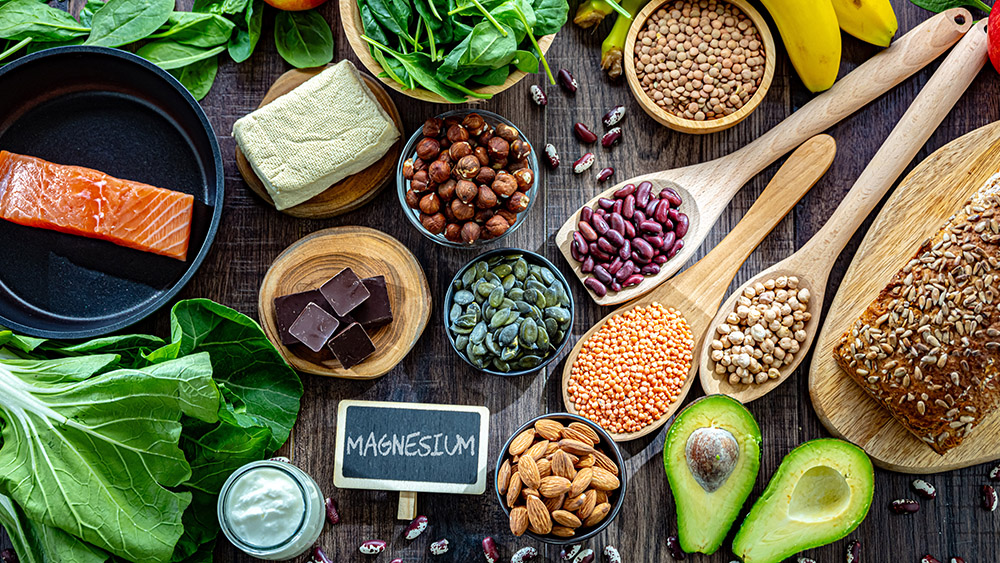
Magnesium-rich Epsom salt baths relax muscles, improve circulation and reduce stiffness. A 2018 study found warm Epsom salt compresses significantly eased knee pain in arthritis patients. For best results, soak in an Epsom salt bath for 20 minutes three times weekly or apply warm compresses directly to sore joints.
Essential oils for pain relief
Peppermint and eucalyptus oils contain menthol, a natural anti-inflammatory compound. Research shows inhaling eucalyptus oil can help reduce post-surgical knee pain. Diffuse these oils, add them to baths or mix with carrier oils for topical application.
Collagen and bone broth
Collagen, the protein in cartilage which cushions joints, depletes with age. Supplementing with bone broth or hydrolyzed collagen peptides can help rebuild cartilage. Studies indicate collagen supplementation reduces osteoarthritis pain and slows cartilage breakdown.
Golden milk (turmeric latte)
Turmeric’s active compound, curcumin, rivals ibuprofen in reducing joint inflammation, according to a study published in Drug Design, Development and Therapy. Combine turmeric with black pepper (to enhance absorption) in warm almond or coconut milk for a soothing anti-inflammatory drink.
Omega-3 fatty acids
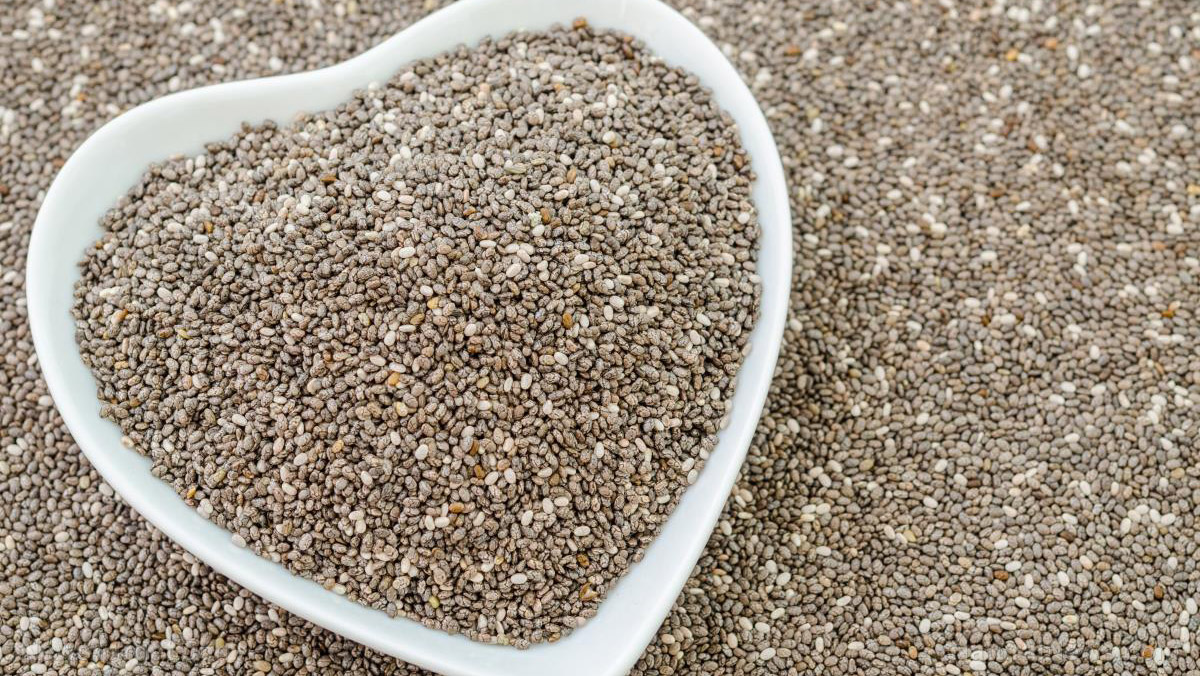
Found in wild-caught salmon, walnuts and chia seeds, omega-3s effectively combat inflammation linked to rheumatoid arthritis. Aim for three servings of wild-caught fatty fish weekly or supplement with high-quality fish oil to fulfill your omega-3 needs.
Glucosamine and chondroitin
These natural compounds, abundant in cartilage, may repair joint tissue. According to a review published in the American Journal of Lifestyle Medicine, supplementing with glucosamine and chondroitin, especially in combination, can relieve pain and improve joint function in patients with knee and/or hip osteoarthritis. This potent combo also exhibit a more favorable safety profile compared to NSAIDs.
Lifestyle adjustments for lasting relief
Beyond remedies, daily habits play a pivotal role in maintaining joint health:
- Stretching and yoga – Gentle yoga improves flexibility and eases stiffness better than physiotherapy in some studies.
- Low-impact exercise – Swimming, walking or Tai Chi can strengthen muscles without joint strain.
- Anti-inflammatory diet – Prioritize leafy greens, olive oil and nuts; avoid processed sugars and seed oils.
- Weight management – Excess weight stresses joints; healthy eating and movement often lead to natural weight loss.
Joint pain need not be a life sentence. By integrating anti-inflammatory foods, targeted supplements and mindful movement into a healthy lifestyle, you can reclaim mobility even in old age and reduce reliance on pharmaceuticals. These holistic approaches not only alleviate discomfort but also address underlying causes, offering a sustainable path to joint health in an era where synthetic solutions dominate but often fall short.
Watch this video to learn why organic apple peel is good for your joints.
This video is from the Health Ranger Store channel on Brighteon.com.
Sources include:
Submit a correction >>
Tagged Under:
aging secrets, alternative medicine, arthritis cure, essential oils, food science, health science, herbal medicine, Herbs, joint health, joint pain, natural cures, natural health, natural medicine, Naturopathy, nutrients, nutrition, Osteoarthritis, pain relief, phytonutrients, remedies, supplements, tips
This article may contain statements that reflect the opinion of the author
RECENT NEWS & ARTICLES