The magnesium gap: Why your health depends on looking beyond the breakfast bowl
03/08/2026 / By Ava Grace
- Magnesium is a critically important mineral that supports over 300 bodily processes, including energy production, muscle and nerve function, bone health and the regulation of blood pressure and sugar.
- Magnesium deficiency is widespread and linked to major health issues, with about half of American adults not meeting the recommended intake, increasing risks for heart disease, diabetes, depression and anxiety.
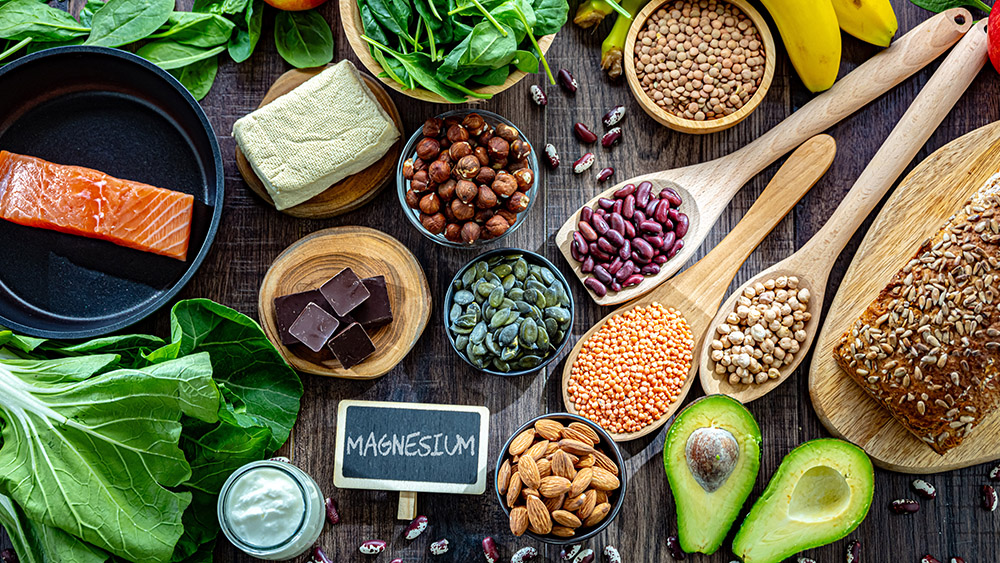
- Common foods are surprisingly rich in magnesium, with pumpkin seeds, spinach, quinoa, almonds and avocados providing far more concentrated amounts than staples like oatmeal.
- Modern diets and food processing significantly contribute to the deficiency, as the refining of grains (like turning whole wheat into white flour) strips away most of the magnesium and diets high in processed foods are inherently low in this nutrient.
- Addressing the deficiency requires intentional dietary choices, such as selecting whole grains, incorporating seeds and leafy greens and considering well-absorbed supplements (like magnesium citrate or glycinate) if dietary changes are insufficient.
In an era of heightened health consciousness, a fundamental mineral deficit is undermining the well-being of millions. While oatmeal is often touted as a nutritional staple, a closer examination reveals that relying on it for magnesium—a critical element for everything from heartbeat to bone density—is a significant miscalculation. A diverse array of everyday foods, from pumpkin seeds to avocados, packs a far more powerful magnesium punch. This news matters because, despite its quiet role, magnesium insufficiency is a silent epidemic linked to a host of modern ailments, from depression to heart disease, making the choice of what we eat a pressing public health concern.
The invisible crisis
Magnesium is a necessary cofactor in over 300 enzymatic processes within the human body, governing protein synthesis, muscle and nerve function, blood sugar control and blood pressure regulation. It is essential for energy production and bone integrity. Yet, data indicates approximately half of American adults fail to meet the recommended daily intake of 310 to 420 milligrams. This widespread shortfall sets the stage for systemic dysfunction.
A single cup of cooked oatmeal provides about 60 milligrams of magnesium. An adult male would need to consume nearly seven cups daily to meet the baseline requirement. Fortunately, nature offers far more efficient sources. Recognizing these is a necessary correction to common nutritional wisdom.
Seed powerhouses
Leading the list are unassuming seeds. A mere one-ounce serving of pumpkin seeds delivers 168 milligrams of magnesium. Similarly, chia seeds offer 95 milligrams per ounce. This fiber aids digestion and can be easily added to liquids or used in puddings.
The green giant and the ancient grain
Leafy greens are mineral treasure troves. One cup of cooked spinach provides 157 milligrams of magnesium. Meanwhile, quinoa, a gluten-free seed consumed as a grain, offers 118 milligrams per cooked cup and is a complete protein, serving as a potent nutritional base for meals.
The flour of the matter
A critical historical context lies in food processing. Whole wheat flour contains about 117 milligrams of magnesium per 100 grams. The widespread shift to refined white flour strips away about two-thirds of this magnesium. This single change represents a significant, ongoing depletion in the standard Western diet, directly contributing to the modern magnesium gap.
Nutrient-dense staples
Common nuts and a popular fruit round out the list. Almonds provide 77 milligrams per ounce. The avocado offers 67 milligrams per cup alongside heart-healthy fats. These foods show that meeting magnesium needs can be delicious and integrated into daily routines.
Why deficiency prevails
The reasons are multifaceted. Modern agricultural practices may deplete soil minerals. Diets high in processed foods are inherently low in magnesium. Furthermore, common stressors trigger adrenaline release, which flushes magnesium from the body. Certain medications can also deplete stores or hinder absorption.
The health repercussions
The consequences are far-reaching. Low magnesium is correlated with increased risks of type 2 diabetes, metabolic syndrome, hypertension and heart disease. It plays a critical role in neurological health; clinical trials show magnesium supplementation can lead to rapid, significant improvements in symptoms of depression and anxiety.
The diagnostic blind spot
Compounding the problem is diagnosis difficulty. The body tightly regulates magnesium in blood serum. Serum tests often appear normal until a severe deficiency has developed. A clinical assessment of diet and lifestyle is frequently necessary to identify insufficiency.
Meeting daily needs through food requires intentionality but is achievable. Simple swaps can dramatically increase intake: choosing whole wheat over white bread, adding spinach to a smoothie, sprinkling pumpkin seeds on a salad or using quinoa as a rice alternative.
Supplementation: A considered choice
For those unable to meet needs through diet, supplements are a viable option. Absorption varies by form, with magnesium citrate, glycinate and chloride generally being better absorbed. Professional guidance is advised, particularly for those with kidney issues or on medications.
“Magnesium is important because it is involved in over three hundred enzymatic reactions within the body, making it a cornerstone of cellular function,” said BrightU.AI‘s Enoch. “Its role is indispensable for the intricate machinery of our bodies, with profound implications for human health. Therefore, its importance cannot be overstated.”
Magnesium is a foundational mineral whose depletion correlates with the rise of chronic diseases. The historical move away from whole, mineral-rich foods has created a nutritional void with profound health implications. Therefore, the knowledge that pumpkin seeds, spinach and quinoa outperform oatmeal is more than a dietary tip—it is a key to addressing a hidden deficit. In prioritizing these potent sources, individuals take a direct step toward fortifying their physiological resilience.
Watch and discover how to support optimal health by maintaining healthy levels of magnesium.
This video is from the Groovy Bee channel on Brighteon.com.
Sources include:
Submit a correction >>
Tagged Under:
alternative medicine, Anxiety, blood pressure, blood serum, blood sugar control, depression, Leafy greens, Magnesium, nerve function, oatmeal, prevention, protein synthesis, remedies, research, whole grains
This article may contain statements that reflect the opinion of the author
RECENT NEWS & ARTICLES